
Clinical Trial Device Inventory: Reconciling Receipt, Use, and Return
This article explains how to divide the quantities of medical devices acquired by an institution, the number returned by the client, and the current inventory, using a hypothetical case for comparison between records and physical inventory.
Explaining Where the Devices Received by the Institution Are
The inventory of medical devices for clinical trials reflects the quantity acquired by the institution from the sponsor and later movements such as usage and returns.
It is important to report whether the expected inventory obtained through calculations matches the actual devices in storage, and to verify records supporting each quantity.
If units and reference points differ, counting the same objects may yield different results.
Here, the "sponsor" refers to the entity commissioning the clinical trial, and the "acquiring entity" is the clinical trial institution.
The example below illustrates the flow of disposable devices received by the institution.
This is not an actual clinical trial case but rather a hypothetical case for the purpose of quantity reconciliation.
Dividing the Ten Acquired into Three States
Assume that the institution received ten individually packaged disposable devices from the sponsor.
Of these, six have been used completely, and one unused device has been successfully returned to the sponsor.
The institution's unused inventory is three devices.
There have been no additional receipts, disposals, losses, or transfers to other institutions, and the used devices are not included in the unused inventory.
| Category | Quantity | Evidence for Reconciliation |
|---|---|---|
| Devices Acquired | 10 | Device and quantity from acquisition records |
| Used and Completed | 6 | Devices and application details from usage records |
| Returned to Sponsor | 1 | Evidence for return records and receipt confirmation |
| Unused Inventory | 3 | Actual physical inventory vs. inventory records |
In this case, 10 acquired = 6 used + 1 returned + 3 current inventory.
If the returned device is omitted from calculations, the expected inventory would inaccurately be calculated as four devices, resulting in a discrepancy with the actual count of three devices.
Thus, when a discrepancy is found, it is better to investigate which movement may have been omitted rather than arbitrarily adjusting the quantities.
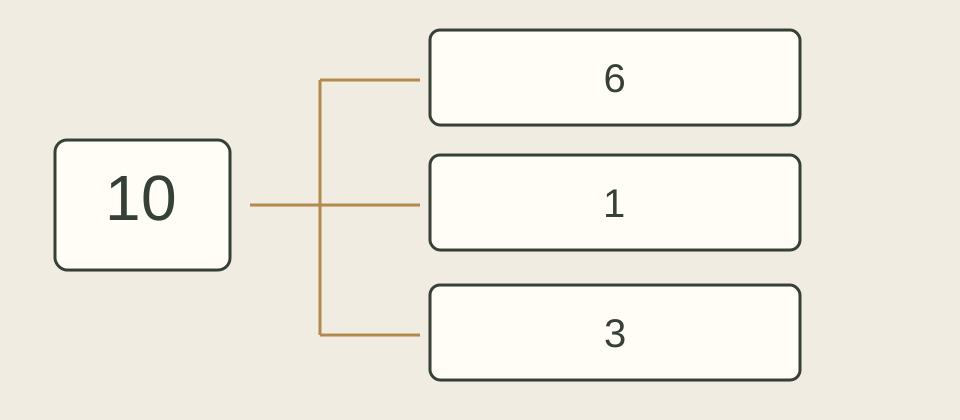 Each batch is in a distinct condition.
The numbers are for illustrative purposes, and completed devices are not added back into the unused inventory.
Aligning Units and Time Points Before Matching Quantities
If the acquisition record is in box units and the usage record is in individual device units, subtraction cannot be performed directly.
It is essential to check how many devices are in each box to convert to the same units.
In cases where packaging levels change or if partial packaging has been moved, the actual included quantity must be confirmed.
A point in time for aggregation must also be established.
If a return is requested but the device is still with the institution, this is different from the state where it has been returned to the sponsor.
If there are quantities in transport after dispatch, this state should be documented separately to understand when the quantity was deducted from the institution's inventory.
The deduction point and confirmation evidence should align with the respective procedures, ensuring that onsite inventory and usable quantities are not confused.
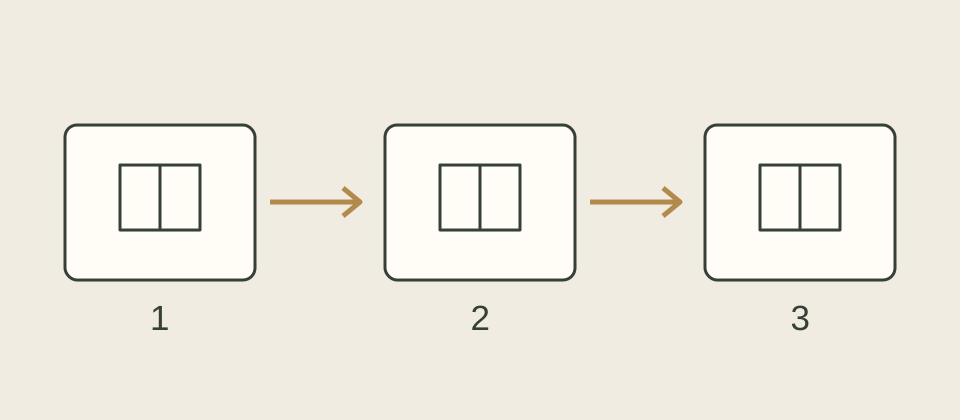 Return requests, dispatches, and receipts are separate events.
This diagram is an internal conceptual diagram that does not present statutory processing deadlines or transport procedures.
Cross-Checking Individual Records Alongside Totals
Even if totals match, records of different devices may have been mismatched.
Find the records constituting the six used devices and verify their correspondence to the acquired devices, while also checking if the returned device matches its return record.
To find missing or incorrectly connected information, check the current inventory of three devices both from the records and from the physical inventory.
Management standards listed under the revised "Guidelines for Clinical Trials of Medical Devices" by the Ministry of Food and Drug Safety (MFDS) in August 2026, stipulate management requirements regarding acquisition, inventory management, return records, and verification of consistency between inventory and usage records.
Article 7 item (b) addresses records related to acquisition, inventory management, and returns, including identification information for the devices by subject.
Article 8 item (g) discusses the sponsor's records of supply, acquisition, return, disposal, and handling instructions.
The following reconciliation order and example table represent MedQraft's practical suggestions for understanding this process, and do not reproduce separately specified statutory formats.
Ministry of Food and Drug Safety Guidelines
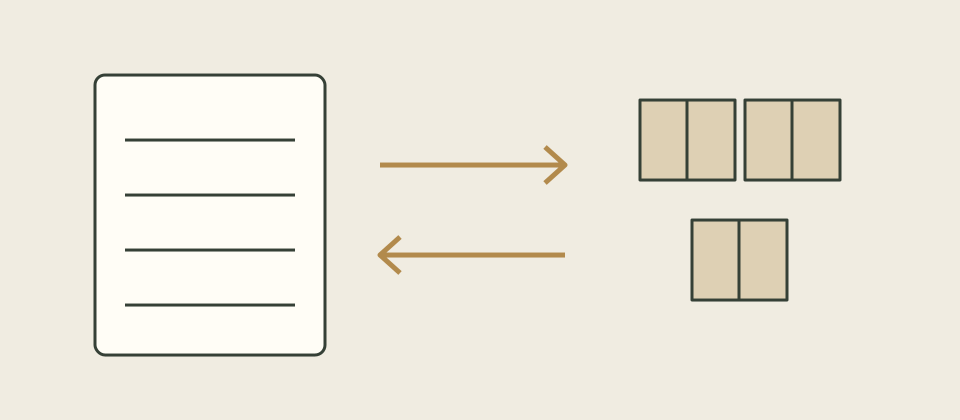 Both confirming the presence of items in records and identifying corresponding records for items at hand should be conducted together.
When discrepancies occur, start reconciling the date and quantity for acquisition, use, and return records.
Possible causes should be narrowed down to duplicate entries within the same records, differences in processing times, mixed packaging units, or omissions in return records, relying on actual evidence.
Causes confirmed and modifications made should be documented according to the institution's procedures, and original records should not be overwritten without explanation.
Reusable Devices and Hold Items Have Different Calculation Structures
Just because a reusable device has been used six times does not mean that the count of devices in inventory decreases by six.
Management must separate the number of devices owned, their current location and condition, and usage history.
Therefore, the previous equation cannot be applied directly to usage frequency.
Hold items should also be interpreted separately.
Items withheld from use due to checks or inspections may be present within the institution but could be excluded from usable inventory.
It is essential to distinguish whether something is removed from total holdings or removed only from usable conditions to avoid double deductions.
If disposals or transfers occur, those quantities and their processing statuses should also be added accordingly.
Selecting One Case to Examine Connection Status
In practical checks, one actual acquisition case can be selected to verify that the corresponding device is explained similarly in terms of use, return, and current inventory.
The following three questions are particularly useful:
- Are the acquisition and use records collected in the same packaging unit?
- Are pending returns, items in transport, and completed returns distinguished?
- Can both the actual inventory of the current stock and the corresponding records be traced from both ends?
This article provides insights into the reconciliation of device quantities.
Actual management responsibility and methods for storage, return, and disposal should be determined according to the respective clinical trial plan and the procedures of the institution and sponsor, as well as applicable legislation.
Sources and Review Scope
- Ministry of Food and Drug Safety, "Guidelines for Clinical Trials of Medical Devices", Guideline-1068-02, August 27, 2026.
Related sections on pages 64, 96, 102, 119, 151, 158, and 160 were reviewed.
Tables and figures were newly created.
- Confirmation date: October 10, 2026.
A direct comparison was made against the current "Enforcement Rules of the Medical Device Act" (effective July 1, 2026), Annex 3 items (7) and (8).
Current Legislation, Annex 3 PDF.
Related Articles
Distinction Between DI and PI in UDI explains how to read identification information for UDI in the USA.
Pathway and Definition of Medical Device Approval in Korea covers necessary information to determine the range of review for product approval in development.
Let's talk
Apply what you have read
to your product.
Tell us your product's current stage and the questions you need to review.
Discuss your questions ↗