
Revision of ISO 10993-6:2026, Basis for Selection of Control Materials in Implantation Tests
This article explains the new selection criteria for control materials and related terminology, and outlines the method for reviewing the basis for selection through a hypothetical test plan.
In ISO 10993-6:2026, subsection 4.3 concerning the selection of control materials has been newly introduced.
When revising existing test plans in comparison to the new edition, it is necessary to examine not only the name of the control material but also what it is intended to compare with.
It is advisable to distinguish between statements concerning prior usage history and those asserting suitability for the purpose of the current evaluation.
This article presents the amendments confirmed in the official public documentation and describes MedQraft’s practical recommendations connecting these with test plan reviews.
This text is not a comprehensive interpretation of the entire detailed requirements of subsection 4.3.
It should not be read as implying that control materials were first introduced in 2026 or that all existing tests need to be redone.
Changes from the 2016 Edition to the 2026 Edition
ISO published the fourth edition in April 2026, with the official foreword indicating that this edition technically revises and replaces the 2016 edition.
Changes noted in the public foreword include the introduction of new control material selection criteria, further definitions of relevant terminology, enhanced descriptions regarding small test specimens representative of the final product composition, and expanded discussions on lymph node evaluations for certain materials.
An annex on testing methods for devices in contact with peripheral nerve tissue and microscopic evaluations of tissue responses has also been added.
[1, 2]
This article focuses specifically on the selection of control materials.
Parameters such as specimen size, observation period, number of animals, or judgment criteria cannot solely be determined from the published summary of revisions, so no specific numbers are proposed here.
When finalizing actual plans, proper review of the legally obtained applicable edition along with product-specific evaluation objectives must be conducted in conjunction.
 The revision review does not end merely by changing the edition number.
This is a conceptual diagram connecting the changed items to which parts of the existing plans they correspond.
The Need for Control Materials Lies in the Interpretation of Comparison Results
The target of this standard is studies evaluating local tissue responses after implantation.
Its evaluation purpose differs from tests demonstrating mechanical strength or functional performance of the product.
The official introduction states that the tissue responses evoked by test samples are compared with reactions of control samples.
Thus, the selection of control materials relates to the reference points from which final results will be interpreted.
[1, 2]
The revised edition includes definitions for comparative control and reference control.
The former refers to the concept of using medical devices or materials that have a history of safe clinical usage as comparison points, while the latter denotes materials that are generally considered inert in terms of local tissue impact, possessing known properties and historical justification in pharmacopeias.
[2, 3.2·3.9]
These two terms should not be understood simply as superior or interchangeable.
It is essential first to determine which role a specific candidate fulfills and what material supports that role.
This description alone cannot designate specific materials as the appropriate control for all products.
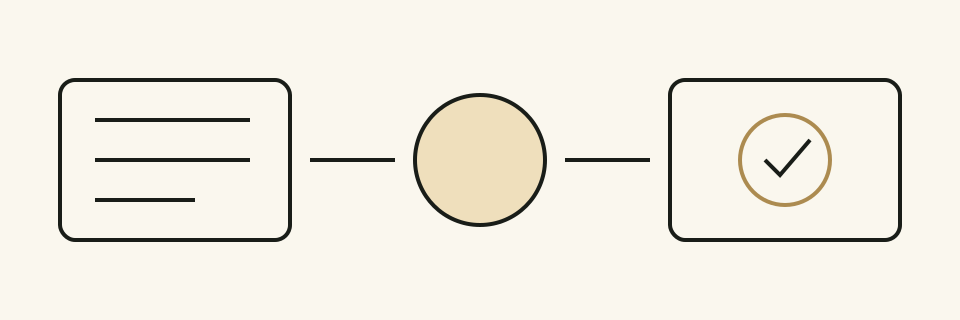 Distinction between the names of control materials and the roles they play in comparison.
The shapes on either side are for conceptual distinction, and this is not an insistence that both types must be used simultaneously in test design.
Hypothetical Case: Even if the Same Candidate is Maintained, Explanations can be Supplemented
Let’s assume that a development team is reviewing the test plan for an implantable product, P.
The plan only contains the name of control material C and a note stating "used in previous projects".
The table below is not actual test results or specifications but a proprietary example intending to elaborate the review discussions.
| Review Item | Existing Record | Additional Details |
|---|---|---|
| Evaluation Purpose | Implantation test being conducted | Local tissue response to be interpreted in this test |
| Candidate Information | Control Material C | Accurate identification of materials/products and relevant documentation |
| Comparison Role | Same as in previous project | As comparison points in this test, what was intended |
| Basis for Selection | History of use available | Supporting material and applicability for that role |
| Remaining Judgment | No separate entries | Conditions needing confirmation and matters for consultation with the testing institution |
Even after supplementation, C may be retained, or other candidates may need to be considered.
At the outset of the revision review, there is no need to conclude prematurely.
It is crucial to examine how well the existing material explains the current judgment and translate insufficient parts into specific questions.
For instance, if a previous test report is found, it should not just conclude with "there is a report" but also confirm what samples and evaluation conditions were addressed.
If there are differences from the current product, discuss whether those differences affect the interpretation of comparison results with the testing institution.
This is a proposed review method by MedQraft and does not replicate the mandatory language of subsection 4.3.
Steps to Connect Test Plan Review to Actual Work
First, fix the existing plan and referenced edition to clarify review subjects.
Identify in what document the test samples and control materials are recognized, and also document the version of that document.
If referencing files from other projects, confirm whether the conditions of those files match the current plan.
Next, write down the question this test aims to address in a single sentence.
Next to that question, link the chosen control material candidates, their roles, and verified justifications.
If documents are missing or judgments remain on some items, do not fill in those blanks with arbitrary conclusions but keep them as points for confirmation.
When inquiring with the testing institution, it is more beneficial to convey product information, evaluation purposes, and candidate documentation together rather than simply asking, "Can this material be used?"
Once the review is complete, record decisions made regarding maintenance, changes, or additional confirmations, along with reasons for those decisions.
If changing control materials, also consider whether there are implications for other portions of the test plan.
The possibility of utilizing previous reports or the need for additional testing is not automatically determined by this record alone.
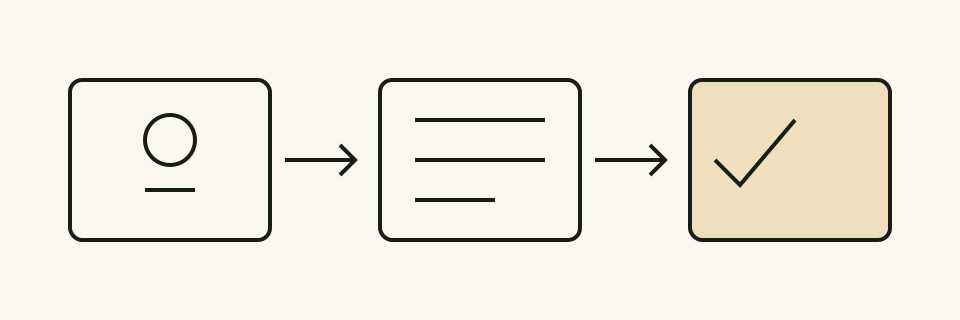 This proprietary practical proposal connects evaluation questions, candidate justifications, and judgment records.
It does not represent the required formats or testing sequences stipulated by the regulations.
Questions to Leave Before Completing the Review
- Can the comparison purpose of this test be explained without naming the control material?
- Is the candidate's role and supporting documentation connected?
- Have the differences between previous usage conditions and current conditions been reviewed?
- Is there clarity on the responsibility to verify detailed requirements of the applicable edition and the unverified items?
The publication date of the international standard and its recognition/transformation schedule in selling countries is a separate confirmation target.
This article does not present a conclusion that the 2026 edition becomes obligatory in Korea or other countries from a specific date.
It is necessary to define the scope of the revision review by confirming the demands of the applicable market and the edition of the test plan together.
Sources and Verification Scope
Fourth edition, 2026-04.
Date confirmed: 2026-10-17.
2.
Official public preview for ISO 10993-6:2026.
Foreword, Introduction, Scope, 3.2·3.9, and table of contents reviewed.
I did not access the entire non-public body of subsection 4.3.
Date confirmed: 2026-10-17.
The tables and figures in this article were prepared by MedQraft as explanatory materials.
The original tables and illustrations of the standard have not been reproduced.
Related Articles
Let's talk
Apply what you have read
to your product.
Tell us your product's current stage and the questions you need to review.
Discuss your questions ↗