
From a Dialysis Alarm to the Manufacturing Process: An MFDS Dialysis Tubing Case
This article explores the investigation flow following alarm occurrences, micro holes in products of the same lot, mold abnormalities, and recall actions based on the MFDS dialysis tubing case.
After an alarm went off during dialysis preparation, the product was replaced with another lot, and the dialysis was subsequently completed without issues.
The manufacturer investigated other dialysis tubes from the same lot and confirmed the presence of micro holes, detailing the mold abnormalities during the manufacturing process and subsequent recall actions.
This is an example where readers can examine both the process of resolving the issues on-site and the investigation by the manufacturer for the causes.
This article interprets Case 4 from the "Medical Device Adverse Event Reporting Guidelines (Citizen Guide)" released by the MFDS on May 27, 2024.
It is not an introduction to the recent incidents or recall notices of specific companies.
What Was Discovered First
The case begins at the moment blood dialysis filters and tubing are installed and priming begins.
During this preparation stage, an alarm was triggered.
The on-site team replaced both the dialysis filter and tubing with products from different lots and completed the dialysis without issues.
There are also mentions of patient discomfort regarding time delays.
Here, the alarm refers to an observed phenomenon on-site.
This description alone does not provide details about which sensor of the device responded or how the alarm was generated.
The result stating that they completed usage after replacing the product should be read distinctly from the types of product defects confirmed during the investigation.
 This shows the progression on-site.
It illustrates the completion of dialysis after replacing the filter and tubing with other lots.
What Did the Manufacturer Investigate?
The manufacturer's investigation found micro holes in other dialysis tubes from the same lot.
A defining characteristic of this case is that issues were found not only in the reported product but also in others from the same production batch.
The original description of the investigation type refers to situations where products of the same lot or batch returned by users are tested.
If this is interpreted as having been assessed using samples the manufacturer had on hand, the source of the investigation changes.
However, details such as the number of samples tested, testing equipment and conditions, and the size of the holes are not presented in this example.
Lot information serves as a clue to determine which production batch the investigation results relate to.
Discovering defects in different products in the same lot is distinct from claiming that all products of that lot have the same defect.
This material does not provide quantitative data to calculate the defect rate for the entire lot.
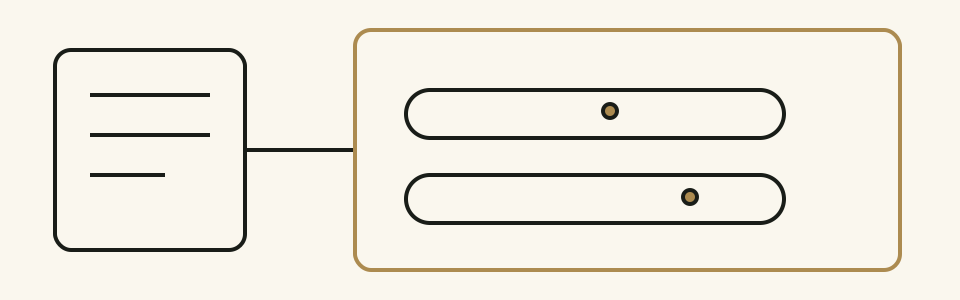 This diagram explains the relationship of the investigation subjects.
The number of products in the image does not denote actual testing numbers or defect rates.
Problems Identified in the Product and Problems Identified in the Process
The example continues with a mention of abnormalities in the mold during the manufacturing process, leading to recall actions.
Micro holes are defects observed in the dialysis tubing, while mold abnormalities are confirmed during the manufacturing process investigation.
Rather than lumping them into one expression, separating what was investigated and confirmed sharpens the narrative flow.
| Category | Content Presented in MFDS Example | Content Not Known from This Material |
|---|---|---|
| On-Site Phenomenon | Alarm during priming start | Specific detection principles that triggered the alarm |
| On-Site Progress | Completion of dialysis after replacing with different lot products | Individual influence of each replaced component |
| Product Investigation | Micro holes confirmed in other dialysis tubes from the same lot | Number of samples, hole size, defect rate, inspection conditions |
| Process Investigation | Mold abnormalities confirmed during manufacturing | Specific causes and duration of mold abnormalities |
| Follow-up Actions | Recall actions | Total scope of recall targets, quantity recalled and completion rate |
Just because process investigation results are presented does not mean that all dialysis tubes in this case can be diagnosed with a mold issue based solely on this example.
If the subjects of the investigation and manufacturing history change, the causes that need to be verified may also differ.
 Here, the layers of information presented in this case are distinguished.
The arrangement connecting each area reflects the narrative flow of the investigation description rather than a schematic proving the principle of alarm occurrence.
Suggested Steps for Reviewing Similar Reports
The following is a practical recommendation from MedQraft based on this example.
First, organize the step of use where the issue occurred and separate the products replaced on-site and the progress after the replacement.
Next, identify whether the investigated products are the initially reported products, other products from the same lot, or products obtained through some other route.
Finally, review the product inspection results and manufacturing history assessment results to determine what conclusions can be drawn.
For example, assume there has been a report of abnormalities during the preparation of a hypothetical tube product.
The responsible person should secure identifying information and storage status of the reported product and, if there are results concerning other products from the same lot, they could organize that as a separate item.
Even if abnormalities are found in the process records, it should be checked whether those records correspond to the same manufacturing timeframe and conditions as the investigated products.
This example illustrates how to connect investigative information and does not specify particular testing methods or recall scopes.
The checklist provides four questions to begin with:
- Is the precise timing of the issue and the events post-replacement differentiated?
- Can the lot and acquisition route of the actual investigated product be discerned?
- What data were used to confirm product defects and process abnormalities separately?
- Are the confirmed scope and the scope yet to be investigated distinguished?
Actual reporting or recall decisions should be reviewed separately based on the facts of the products and incidents in question and the current applicable requirements.
This article is a narrative explanation of guidelines' case examples and does not deal with legal reporting deadlines or recall obligation criteria.
Related Articles and Sources
- Related article: Inspection level and sampling plan according to AQL for 1,000 incoming parts.
Though connected to lot investigations, it is not applied as a basis for the inspection quantity of this case.
Read Sampling Plan Explanation
- Ministry of Food and Drug Safety, "Medical Device Adverse Event Reporting Guidelines (Citizen Guide)," Guide-0858-05, May 27, 2024, Main Text Page 64/PDF Page 69 Case 4.
- Confirmation Date: 2026-10-13.
The text is a narrative explanation of the case, and original tables and figures were not replicated.
The figures are explanatory conceptual diagrams created independently.
Let's talk
Apply what you have read
to your product.
Tell us your product's current stage and the questions you need to review.
Discuss your questions ↗